
Table of Contents
Social Media Marketing for Beginners
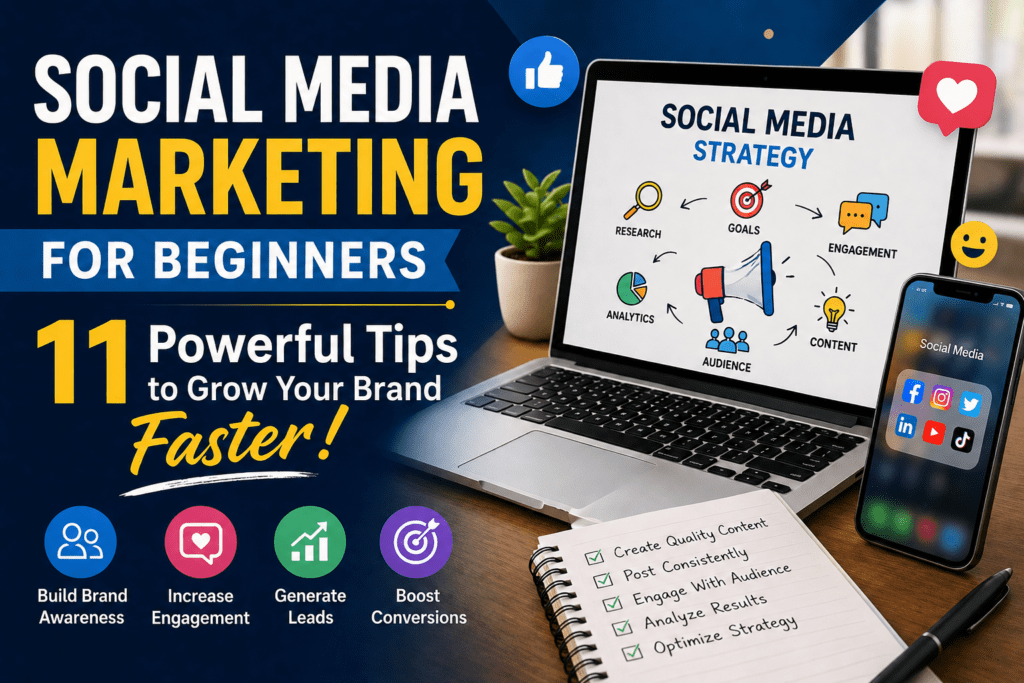
Introduction: The Day When I Realized Social Media Is More Than Just Posting Photos
A few years ago, many small business owners believed that simply creating a Facebook page or Instagram account was enough to attract customers. They uploaded a few pictures, wrote short captions, and then waited for sales to arrive. Unfortunately, most of them saw little to no results.
The reality is that social media marketing is not about posting randomly and hoping something goes viral. It is about building relationships, creating trust, and staying visible where your audience spends their time.
Today, billions of people use social media platforms daily. Whether you run a local bakery, a digital marketing agency, a clothing store, or a startup, social media marketing can help you connect with potential customers without spending a fortune on advertising.
This beginner-friendly guide will explain everything you need to know about social media marketing, how it works, and how you can use it effectively to grow your brand online.
This guide on Social Media Marketing for Beginners will help you understand the fundamentals and create a practical strategy for long-term growth.
If you want faster growth, businesses often combine social media efforts with our Digital Marketing Services for better online visibility.
What is Social Media Marketing?
Social Media Marketing (SMM) is the process of promoting a business, product, or service through social media platforms such as Facebook, Instagram, LinkedIn, X (Twitter), Pinterest, and YouTube.
The goal is not just to gain followers but to:
- Increase brand awareness
- Build customer trust
- Generate website traffic
- Create leads
- Improve customer engagement
- Drive sales
Think of social media as a digital marketplace where conversations happen every second. Businesses that participate in those conversations often gain more visibility and credibility than those that remain silent.
Why Social Media Marketing Matters for Beginners
Many beginners believe they need a large budget to compete online. In reality, social media gives small businesses an opportunity to reach audiences without spending huge amounts on advertising.
Benefits of Social Media Marketing
Increased Brand Visibility
Every post, reel, story, or video introduces your business to new people. Consistent posting keeps your brand in front of potential customers.
Direct Communication with Customers
Unlike traditional advertising, social media allows two-way communication. Customers can ask questions, leave comments, and share feedback instantly.
Cost-Effective Marketing
Creating content costs far less than many traditional marketing methods. Even paid campaigns can start with a small budget.
Better Customer Trust
People often check social media profiles before making a purchase. An active profile with valuable content creates credibility.
Choosing the Right Social Media Platform
One common mistake beginners make is trying to be active on every platform.
Instead, focus on where your target audience spends time.
Best for:
- Local businesses
- Service providers
- Community building
- Advertising campaigns
Best for:
- Fashion brands
- Restaurants
- Travel businesses
- Personal brands
Best for:
- B2B companies
- Consultants
- Recruiters
- Professional services
YouTube
Best for:
- Tutorials
- Product demonstrations
- Educational content
- Long-term brand growth
Best for:
- Home decor
- Fashion
- DIY projects
- Lifestyle brands
Creating a Social Media Marketing for Beginners Strategy
Posting without a strategy is like driving without a destination. You may move, but you won’t know where you’re going.

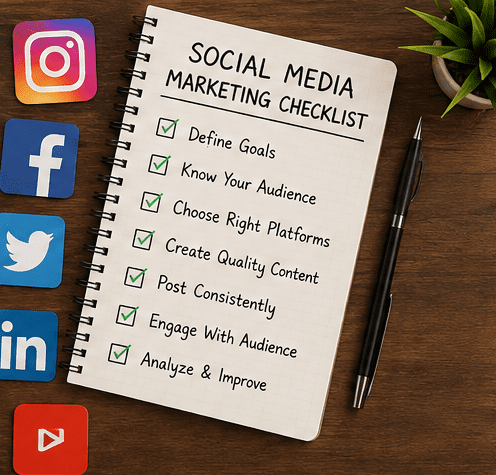
Step 1: Define Your Goals
Ask yourself:
- Do I want more website visitors?
- Do I want more leads?
- Do I want more sales?
- Do I want better brand awareness?
Your goals determine your content strategy.
Step 2: Understand Your Audience
Imagine you own a gym.
Your audience may include:
- Fitness beginners
- Weight-loss seekers
- Athletes
- Working professionals
Each group has different interests and concerns.
Understanding your audience helps you create relevant content.
Step 3: Analyze Competitors
Study successful businesses in your industry.
Observe:
- What they post
- How often they post
- Which content gets engagement
- How they interact with followers
Do not copy them. Learn from them.
Google Digital Garage offers free digital marketing learning resources for beginners who want to improve their skills.
Types of Content That Work on Social Media
Not every post should be promotional.
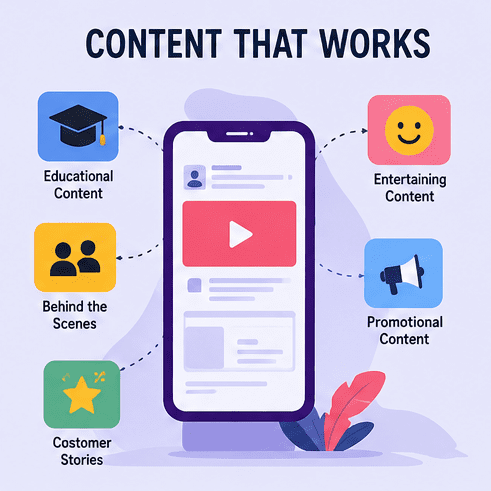
The best social media marketing strategy includes a mix of content.
One of the biggest challenges in Social Media Marketing for Beginners is maintaining consistency while creating valuable content.
HubSpot Blog explains modern content strategies that help brands improve engagement and reach.
Educational Content
Teach your audience something useful.
Examples:
- SEO tips
- Marketing insights
- Fitness advice
- Cooking tutorials
Educational content builds authority.
Behind-the-Scenes Content
Show people how your business operates.
Examples:
- Team activities
- Product creation process
- Office culture
- Daily operations
This creates authenticity.
Customer Success Stories
People trust other customers more than advertisements.
Share:
- Testimonials
- Reviews
- Case studies
- Success journeys
Entertaining Content
Not everything needs to be serious.
Humorous reels, relatable memes, and trending content can increase engagement.
Promotional Content
Promote your products or services, but avoid making every post a sales pitch.
A balanced content mix usually performs better.
How Often Should Beginners Post?
Many beginners ask this question.
Consistency matters more than volume.
A realistic schedule might be:
3-5 posts weekly
1 post daily
Stories
Daily updates
3-4 posts weekly
YouTube
1-2 videos weekly
Focus on quality before quantity.
The Power of Social Media Engagement

Social media marketing is not a one-way broadcast.
If someone comments on your post, reply.
If someone asks a question, answer it.
If someone shares feedback, acknowledge it.
Businesses that engage with their audience often build stronger customer relationships than those that simply publish content and disappear.
Understanding Social Media Algorithms
Many beginners blame algorithms when their posts receive low engagement.
In reality, algorithms reward content that people interact with.
Factors That Influence Reach
Engagement
Likes, comments, shares, and saves signal value.
Watch Time
Longer video viewing duration often improves visibility.
Consistency
Regular posting helps maintain audience interest.
Relevance
Content that matches audience interests tends to perform better.
Instead of chasing every trend, focus on creating content that genuinely helps your audience.
Social Media Marketing Mistakes Beginners Should Avoid
Posting Only Sales Content
People do not open social media platforms to see endless advertisements.
Provide value first.
Ignoring Analytics
Data shows what works and what doesn’t.
Monitor:
- Reach
- Engagement
- Clicks
- Conversions
Buying Fake Followers
Fake followers increase numbers but provide no business value.
Real engagement matters more than vanity metrics.
Copying Competitors
Every brand has a unique voice.
Use competitors for inspiration, not imitation.
Using Paid Advertising on Social Media
Organic growth is important, but paid advertising can accelerate results.
Platforms like Facebook and Instagram allow businesses to target specific audiences based on:
- Age
- Location
- Interests
- Behaviors
Even a small budget can generate meaningful results when campaigns are optimized properly.
Meta’s official Business Help Center provides detailed guidance on running Facebook and Instagram campaigns effectively.
Measuring Social Media Marketing Success

Success is not always measured by follower count.
More important metrics include:
Engagement Rate
Shows how actively people interact with your content.
Website Traffic
Measures visitors coming from social media.
Lead Generation
Tracks potential customers.
Conversion Rate
Shows how many visitors become paying customers.
Focus on business outcomes rather than vanity numbers.
Beginners can track social media traffic using Google Analytics to understand which platforms are bringing the most visitors.
The Future of Social Media Marketing
Social media continues to evolve rapidly.
Short-form videos, AI-powered content creation, community-driven marketing, and personalized experiences are becoming increasingly important.
However, one principle remains unchanged:
People connect with people.
Brands that create genuine value and meaningful interactions will continue to succeed regardless of platform updates.
Conclusion
Social Media Marketing for Beginners does not have to be complicated. The most successful businesses often follow simple principles: understand the audience, create valuable content, engage consistently, and track results.
Instead of trying to master every platform overnight, start with one or two channels where your audience is active. Learn what works, improve over time, and remain consistent.
If you are serious about Social Media Marketing for Beginners, focus on providing value, engaging with your audience, and analyzing your results regularly.
Social media marketing is less about chasing viral moments and more about building trust day after day. When done correctly, it becomes one of the most powerful tools for growing a business online.
A complete strategy works best when Social Media Marketing for Beginners is combined with our Online Marketing Services.